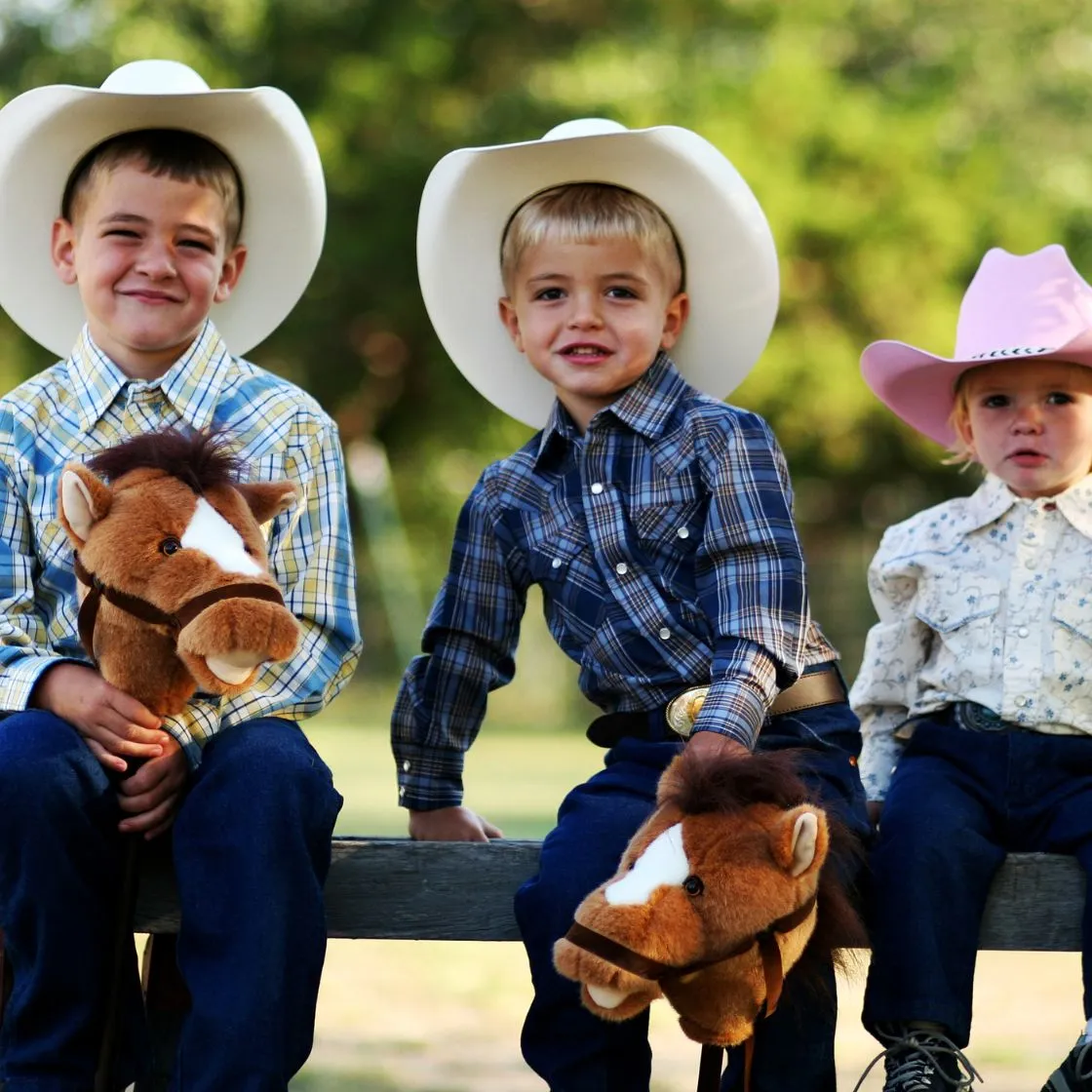
Elko, Nevada, stands as one of the most fascinating towns in the American West. Because of its location along major travel routes, it has played a vital role in shaping Nevada’s identity. Today, Elko reflects a powerful blend of railroad history, mining success, ranching traditions, and cultural diversity.
While many Western towns share similar origins, Elko’s story feels deeper. Moreover, its connection to transportation and industry gave it long-lasting importance. So, if you want to understand Nevada’s past, Elko offers a compelling place to start.
Let’s explore the full history of Elko Nevada, from its earliest days to its modern identity.
Long before Elko existed, Native American tribes lived in the region. These groups thrived in the challenging environment of the Great Basin.
Because water sources were limited, survival required deep knowledge of the land. Meanwhile, the surrounding terrain shaped their lifestyle.
The area near present-day Elko offered:
Additionally, these early inhabitants built a connection with the land that lasted generations. Therefore, their presence forms the foundation of Elko’s earliest history.
Elko’s modern story begins with the expansion of the railroad. In the late 1800s, the Central Pacific Railroad pushed eastward across Nevada.
Because the railroad needed supply points, towns formed along the route. Elko became one of these key stops.
In 1868, Elko was officially established as a railroad town. Meanwhile, workers, merchants, and travelers quickly arrived.
This development brought:
As a result, Elko transformed from open land into a growing community almost overnight.
The completion of the First Transcontinental Railroad changed the entire region.
Because Elko sat along this route, it gained strategic importance. Meanwhile, goods and people moved through the town daily.
This brought:
Additionally, the railroad connected Elko to larger markets. Therefore, it became a hub for commerce in northeastern Nevada.
Mining played a huge role in Elko’s development. Because the region contained valuable minerals, prospectors arrived quickly.
Gold and silver discoveries fueled economic expansion. Meanwhile, nearby mining towns depended on Elko for supplies.
This created:
Additionally, Elko became a service center for mining operations. Therefore, its importance continued to rise.
While mining shaped the economy, ranching defined the culture. Because the surrounding land supported livestock, ranching became essential.
Cattle and sheep ranching spread across the region. Meanwhile, Elko served as a central hub for ranchers.
This lifestyle influenced:
Additionally, ranching created a strong connection to Western heritage. Therefore, Elko became known for its cowboy culture.
One of the most unique aspects of Elko’s history is its Basque heritage. Immigrants from the Basque region of Europe arrived in the late 1800s.
Because they brought strong skills in sheepherding, they found work quickly. Meanwhile, they established deep roots in the community.
Basque culture introduced:
Additionally, this influence remains strong today. Therefore, Elko stands out as one of the most important Basque communities in the United States.
As the 1900s began, Elko continued to grow. Because of its strong economic base, the town remained stable.
Railroads, mining, and ranching all contributed. Meanwhile, businesses expanded to serve the population.
During this time, Elko developed:
Additionally, the town became more organized. Therefore, it transitioned from a frontier settlement to a structured city.
Like much of the country, Elko faced challenges during the Great Depression. Because economic conditions worsened, many industries slowed down.
Mining operations reduced activity. Meanwhile, jobs became harder to find.
However, Elko showed resilience. Ranching continued, and the railroad still operated.
Additionally, the community supported one another. Therefore, the town managed to endure difficult times.
After World War II, Elko experienced renewed growth. Because industries rebounded, opportunities increased.
Mining technology improved. Meanwhile, transportation expanded.
This period brought:
Additionally, Elko modernized while keeping its roots. Therefore, it entered a new era of progress.
In the late 1900s, Elko saw another mining boom. Because new technology allowed deeper exploration, gold production increased.
The nearby Carlin Trend became one of the richest gold-producing regions in the world.
This boom created:
Additionally, Elko strengthened its role as a mining hub. Therefore, the town gained national importance.
Despite growth, Elko never lost its identity. Because residents value tradition, cultural preservation remains strong.
Events and institutions celebrate:
Meanwhile, organizations like the Western Folklife Center help preserve history.
Additionally, annual events keep traditions alive. Therefore, Elko continues to honor its past.
Today, Elko combines history with modern living. Because of its strong foundation, the town continues to grow.
Residents enjoy:
Meanwhile, visitors come to experience its unique character. So, Elko remains both historic and vibrant.
Additionally, its location makes it a gateway to the Great Basin. Therefore, it attracts travelers year-round.
Elko’s history shapes its present. Because of its past, the town maintains strong values.
You will notice:
Meanwhile, its industries continue to support growth. So, Elko remains relevant today.
Additionally, its story offers insight into the American West. Therefore, it holds lasting importance.
Elko, Nevada, tells a story of resilience, growth, and identity. From its beginnings as a railroad stop to its role as a mining and ranching hub, every chapter matters.
Because of its diverse influences, Elko stands out among Western towns. Meanwhile, its commitment to tradition keeps its history alive.
Whether you are exploring its past or visiting today, Elko offers something meaningful. In the end, it is more than a city—it is a living piece of the American West.
And once you understand its history, you will see why Elko remains one of Nevada’s most important and fascinating communities.